


When winter takes more than it gives.
- lgrancorvitz
- Jan 25
- 2 min read
Supporting energy and mood through nutrition and movement is possible and we can help.
Wisconsin winters can quietly wear people down. Below-zero temperatures, limited daylight, and long hours spent indoors mean many of us start and end our days in the dark. For those working in offices without natural light, the body can go weeks without the signals it relies on to feel balanced.
This isn’t a motivation problem. It’s biology.
Light, movement, and warmth help regulate mood, sleep, and energy. When they’re limited, it’s common to notice more fatigue, low motivation, disrupted sleep, increased cravings, or a general sense of heaviness. These shifts are often the body’s response to its environment, not a personal failure.

While we can’t change the season, we can support what the body is missing.
Use Nutrition as Seasonal Support.
Winter nutrition is less about restriction and more about stability. Regular meals with protein, healthy fats, and fiber help keep energy and mood steadier when daylight is scarce. Warming foods like soups, stews, roasted vegetables, and warm breakfasts can support digestion and help the nervous system feel more settled.
Cold weather can also reduce thirst, even when hydration needs remain the same. Warm teas, broths, and soups can be an easy way to stay hydrated and support circulation and focus during winter months.
Use movement as a stand-In for light.
Exercise in winter doesn’t need to be intense to be effective. Gentle to moderate movement helps improve circulation, support brain chemistry, and counter the sluggishness that often comes with cold and darkness.
Short, consistent bouts of movement tend to be more supportive than pushing hard infrequently. Strength and grounding movements can also help maintain energy, stability, and resilience when overall activity levels naturally drop.When possible, moving near windows or during midday hours can help reinforce circadian rhythms, even on cloudy days.
A More Compassionate Winter Approach
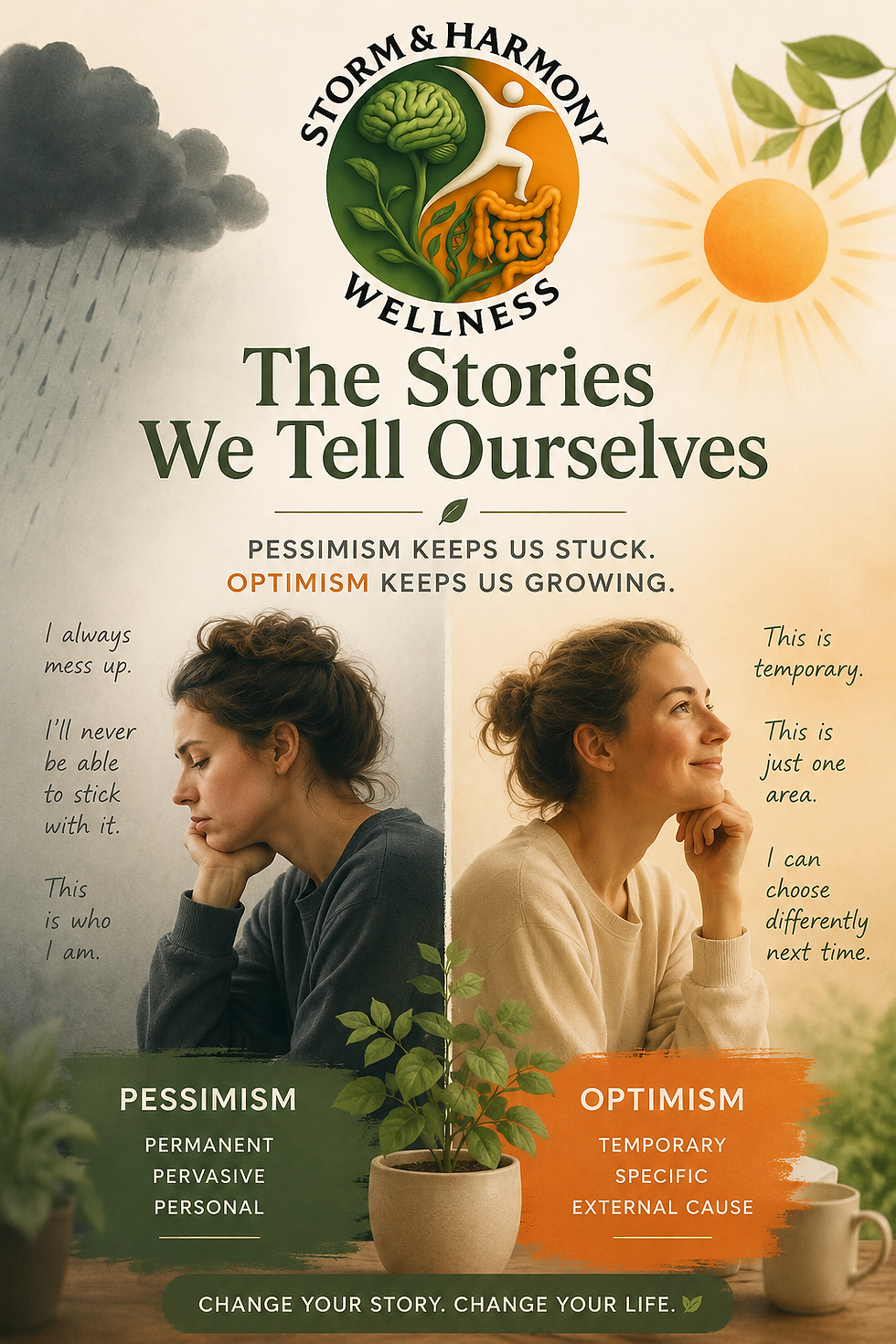
If winter feels heavier or more draining, it doesn’t mean something is wrong. It means your body is adapting to limited light and movement. This season often calls for more nourishment, more consistency, and more self-compassion rather than more discipline.


Comments